
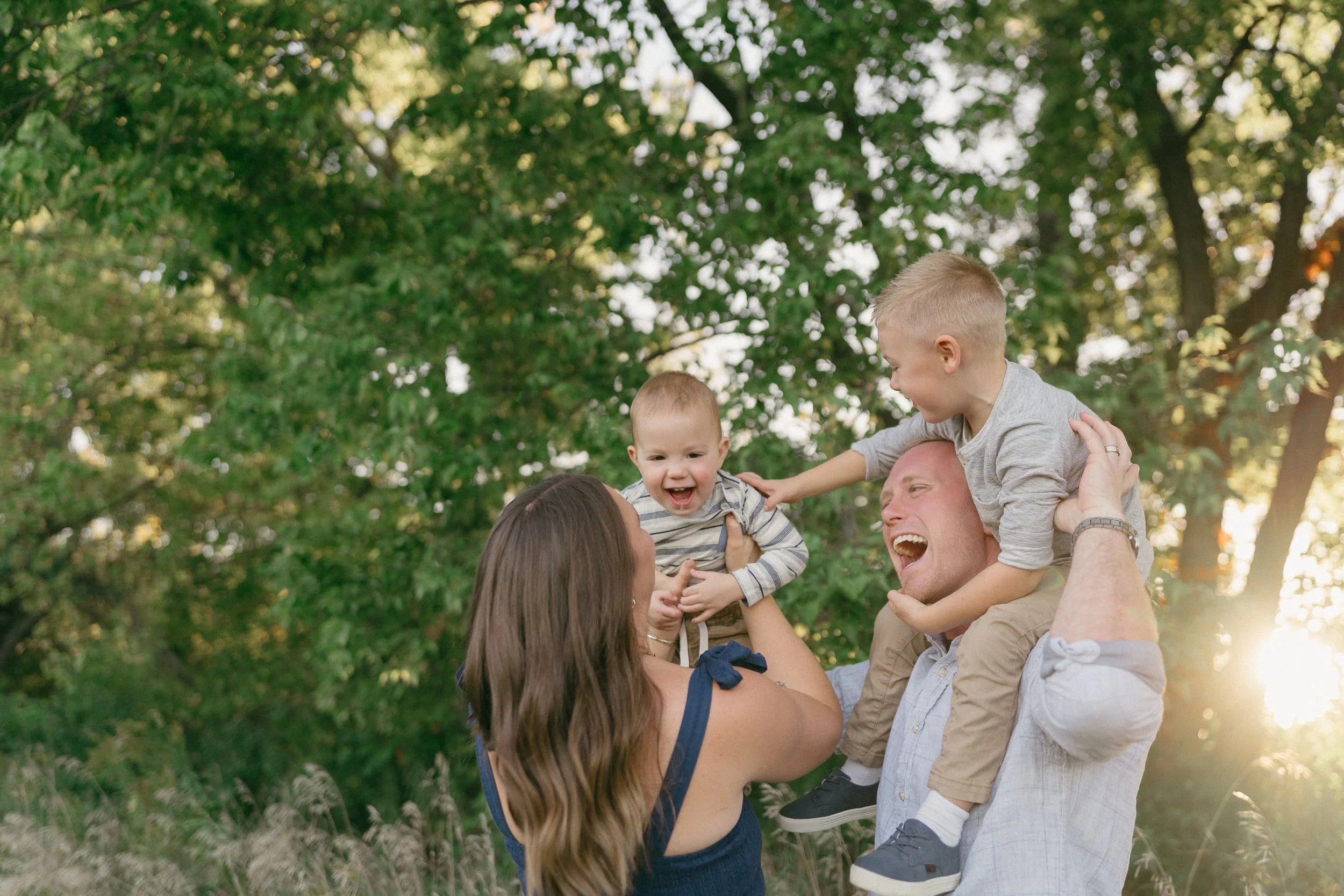
Family photos live in that funny space between deeply meaningful and logistically complicated. You want images that feel warm and connected and real - the kind you’ll frame, share, and come back to years from now - but getting everyone dressed, cooperative, and emotionally present at the same time can feel like its own small miracle.
If you’re planning family portraits in West Bend or the surrounding Wisconsin area, here’s the gentle truth: beautiful family photos don’t come from perfect behavior or flawless coordination. They come from preparation that lowers stress and creates space for connection.
And yes, that includes cranky toddlers, skeptical teens, and partners who might not be quite as enthusiastic about photos as you are.
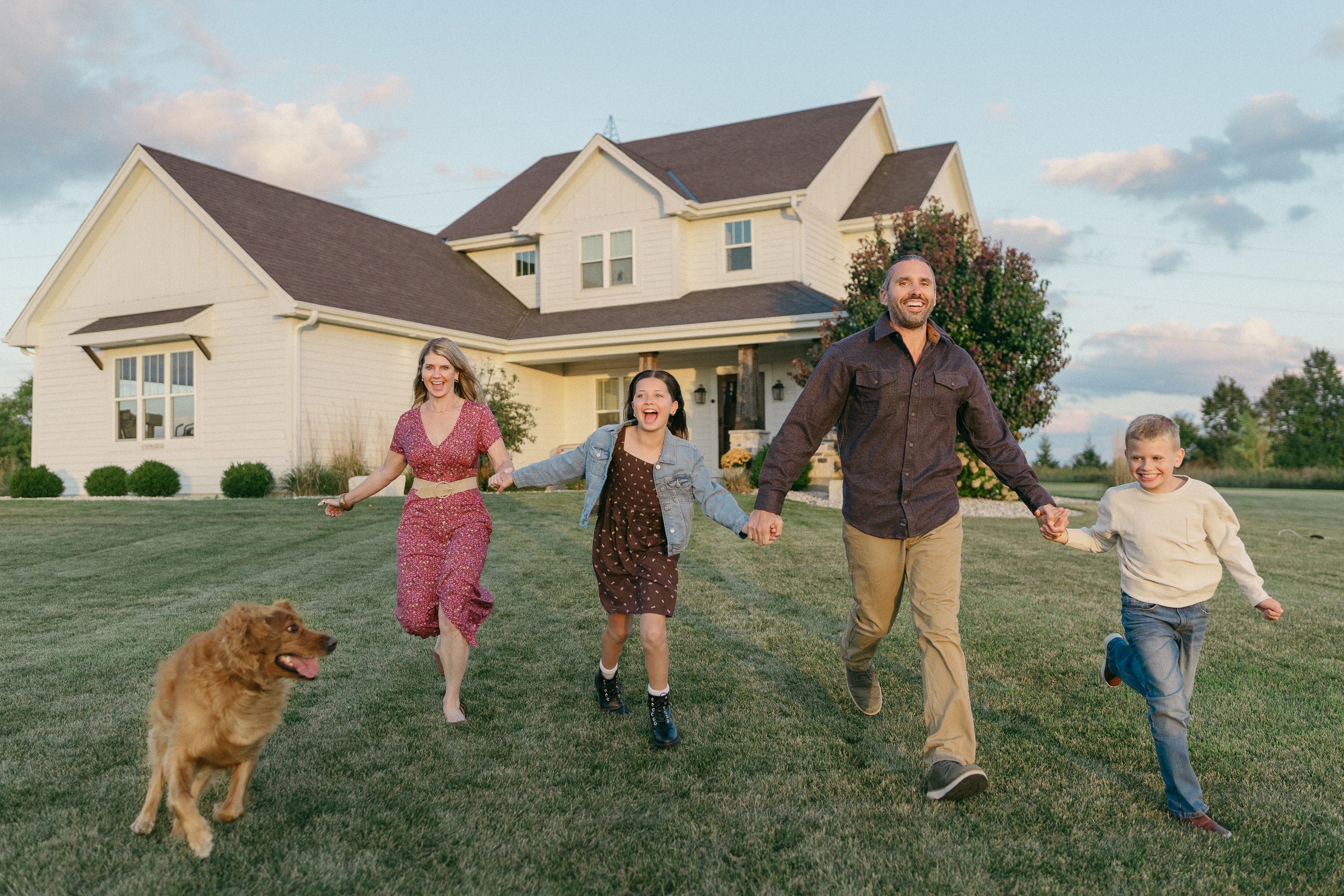
The Size of your Family
For smaller families, sessions often feel naturally fluid. There’s room to move, change positions, and follow the kids’ energy without losing cohesion. Parents can stay physically close, which keeps connection visible and genuine. These sessions tend to feel relaxed simply because logistics are lighter.
Large families carry a different kind of beauty. More personalities, more relationships, more layers of interaction. The key isn’t controlling everyone, it’s structuring the session so connection happens in smaller clusters first. Parents with kids, siblings together, grandparents woven in, then the full group. When people interact in familiar combinations before coming together, expressions stay authentic instead of forced.
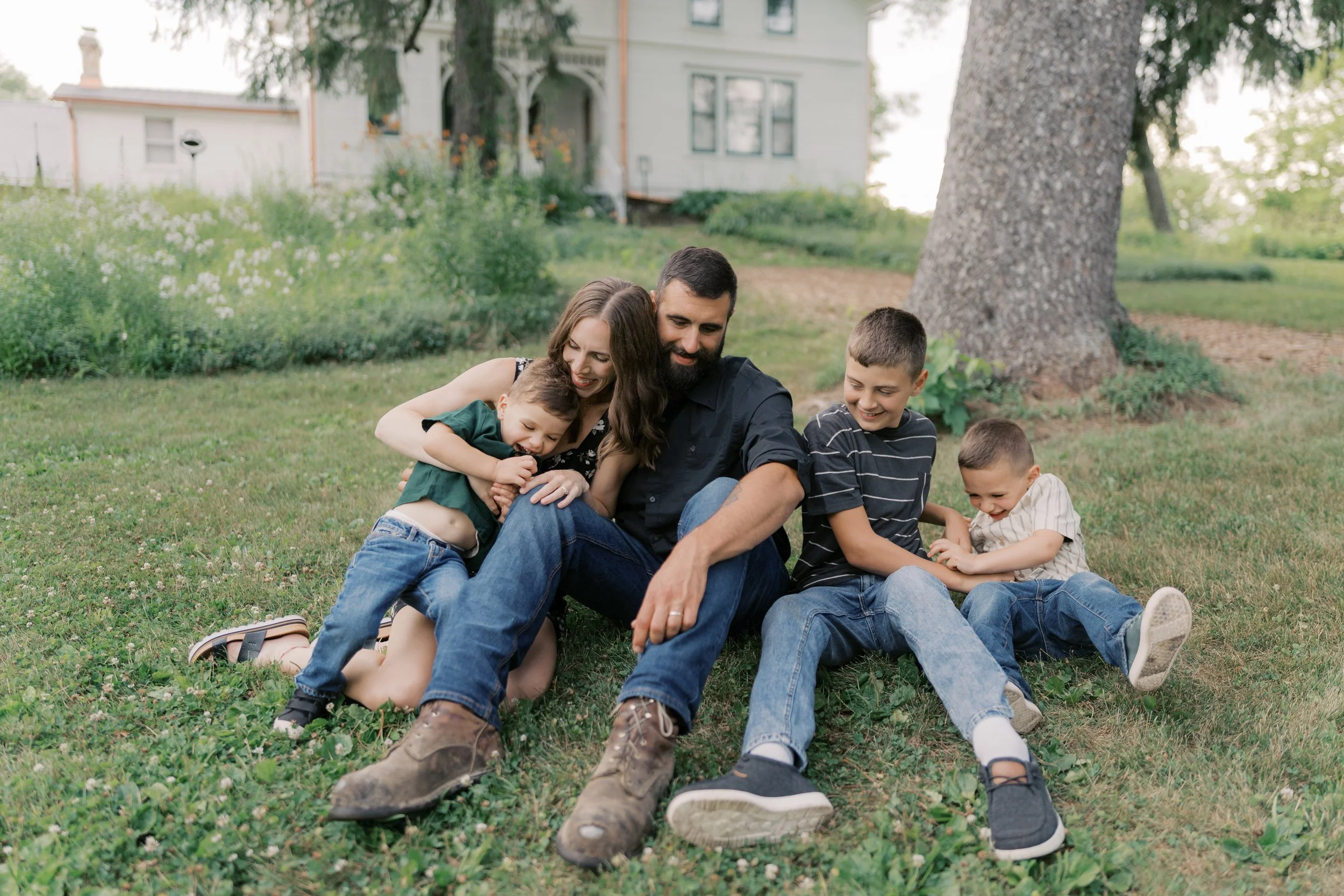
What to Wear
Clothing is often the part moms think about most, and for good reason: it shapes the visual harmony of the entire gallery. Cohesive outfits don’t mean identical or overly matched. Instead, think in tones and textures rather than exact colors. Soft neutrals, muted earth tones, gentle blues, warm creams. These are palettes that sit comfortably together without competing. When everyone’s clothing feels like it belongs in the same visual world, attention naturally stays on faces and the beautiful connection you all have.
Also keep in mind that you won’t just be standing there while looking amazing for the entire hour. Part of the real art of photography includes movement - playing games together, walking (maybe even running), splashing water, and plenty of other moving related options to create moments. So make sure everyone is comfortable in their stylish outfit once you’ve coordinated everything else.
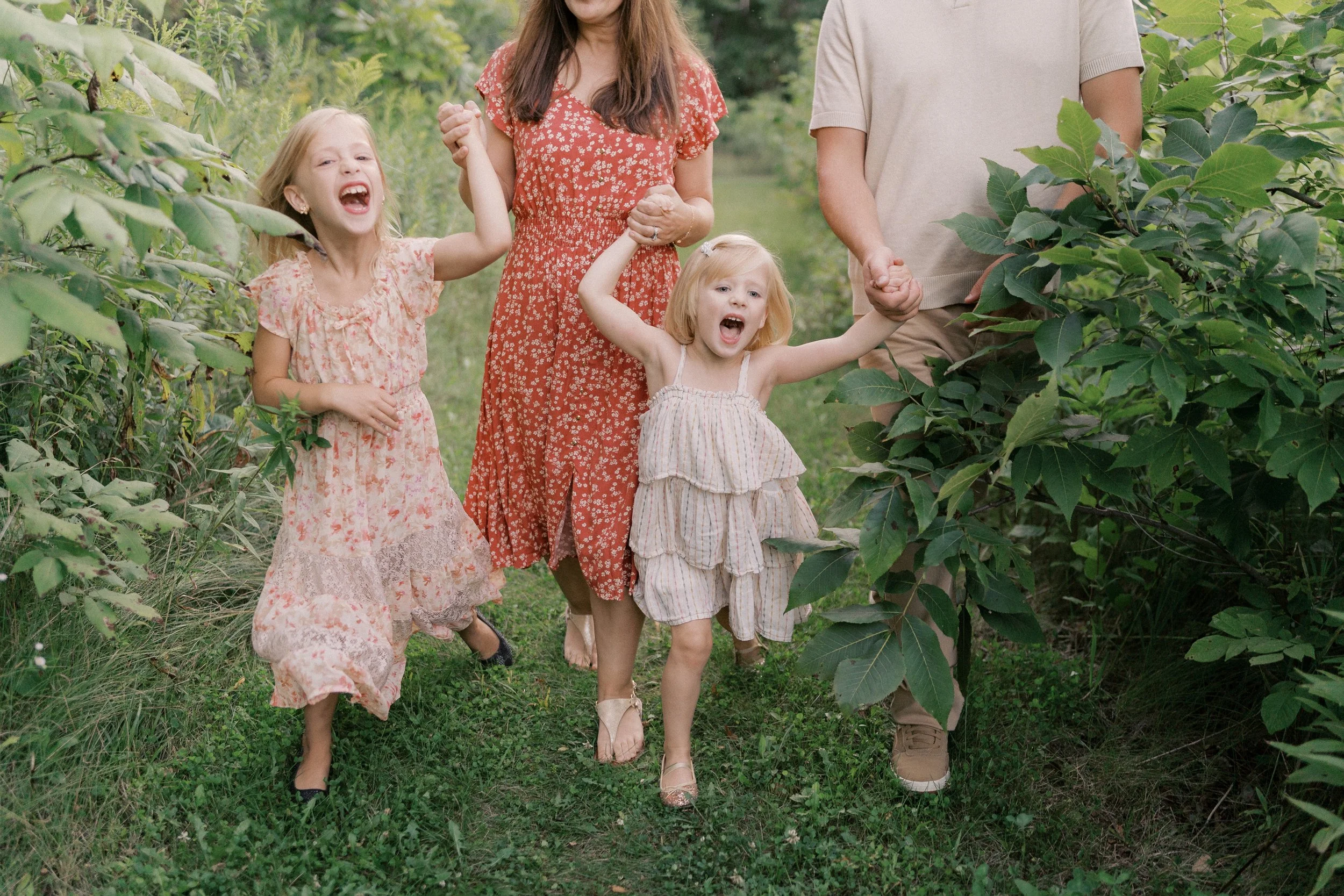
Toddlers vs Teens
Toddlers deserve their own category of preparation, because their cooperation runs on biology rather than logic. Sessions scheduled around naps and snacks matter more than any styling detail. A rested, fed, warm toddler is infinitely more flexible than a tired, hungry, cold one. Bringing a small familiar snack, comfort item, or favorite toy (even if it stays hidden most of the time) can shift the entire emotional tone. And when movement is allowed - walking, being held, exploring - toddlers settle faster than when asked to sit still and perform.
Teens often need a different approach: respect and autonomy. No one wants to feel staged or childish, especially at an age built around identity and independence. Giving teens small choices - where they stand, how they lean, whether they smile softly or fully - preserves dignity while still guiding the image. Humor helps, too, especially the dry, observational kind. Most teens don’t resist photos; they resist feeling awkward. When the environment feels relaxed and slightly self-aware, participation usually follows.
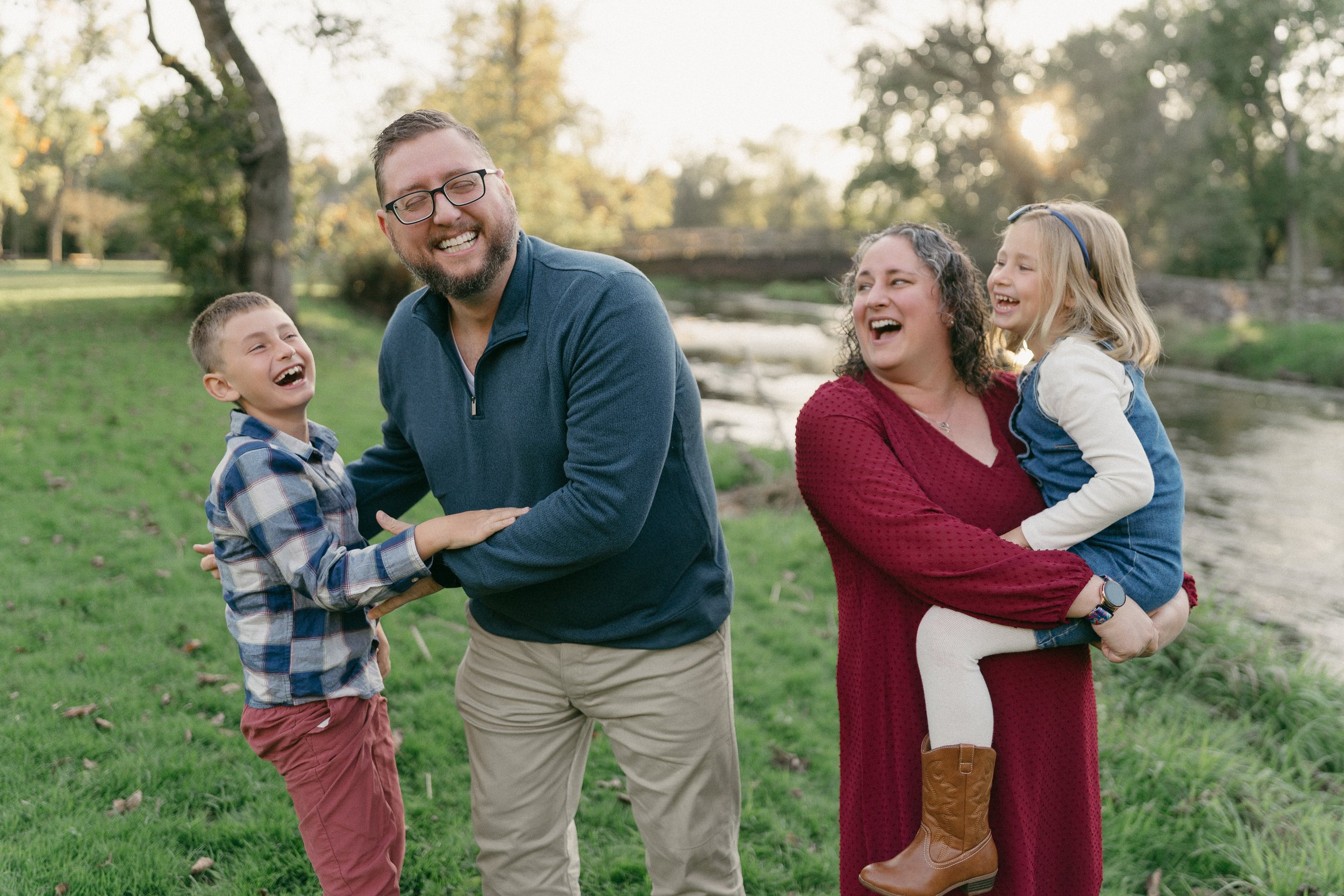
When Someone “Hates Having Their Photo Taken”
And then there’s the quietly common dynamic: the partner who isn’t quite as invested in family photos. This rarely comes from resistance to memories. It’s usually discomfort with being photographed or uncertainty about what the experience will feel like. The best shift happens before the session even begins - framing photos not as a performance but as documentation of real relationships. When partners understand they’re not expected to pose, grin endlessly, or become someone else for the camera, tension softens. During the session, gentle direction and natural interaction replace pressure, and skepticism often gives way to a surprise thought: “this is easier than expected”.
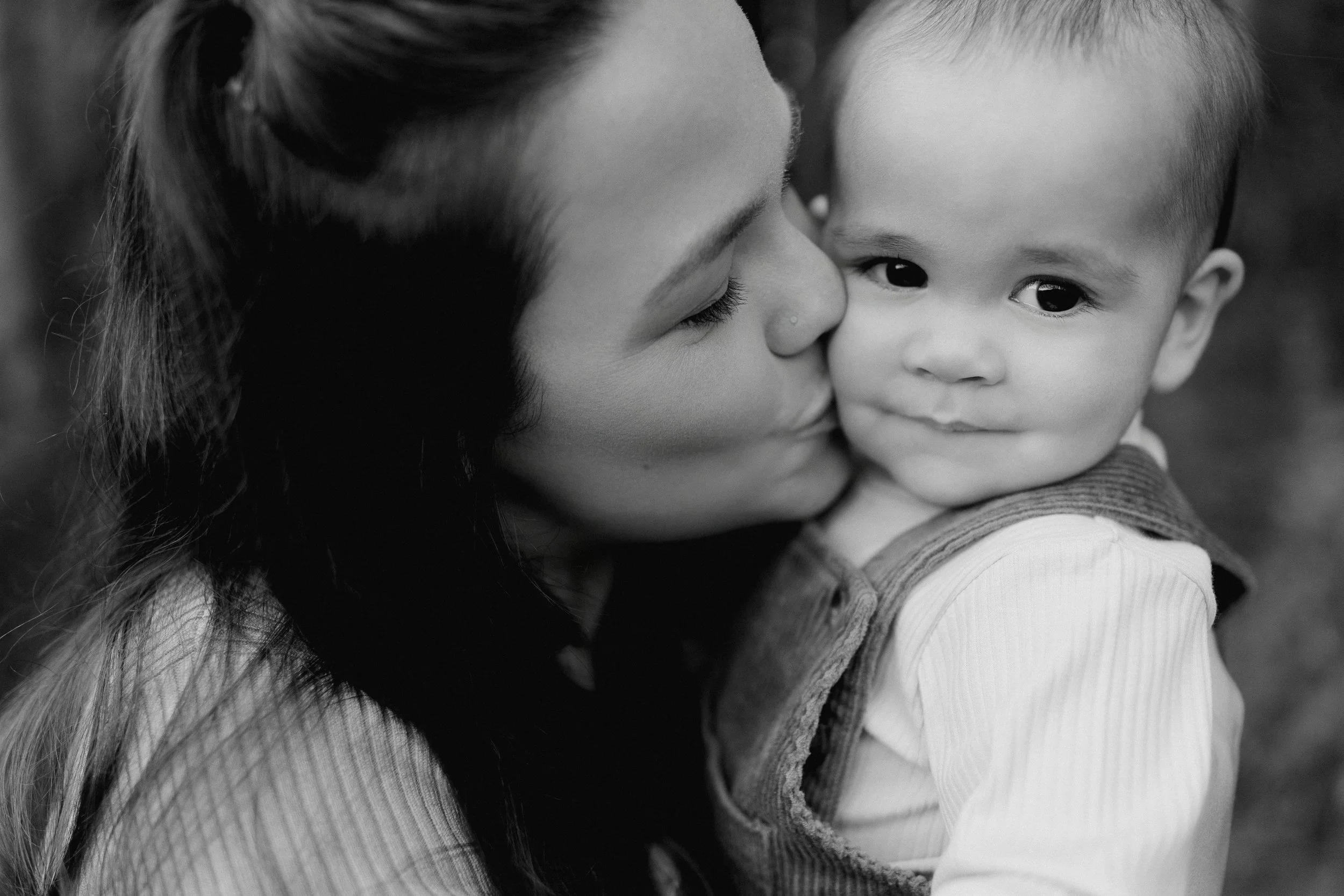
Family portraits in West Bend aren’t about orchestrating perfection. They’re about holding onto a season of life that’s already moving. The toddler who only wants to be carried. The teen halfway between child and adult. The partner whose steady presence anchors the family. The way everyone fits together right now, before growth reshapes it again.
Preparation simply makes room for that truth to show up - warmly, honestly, and beautifully.
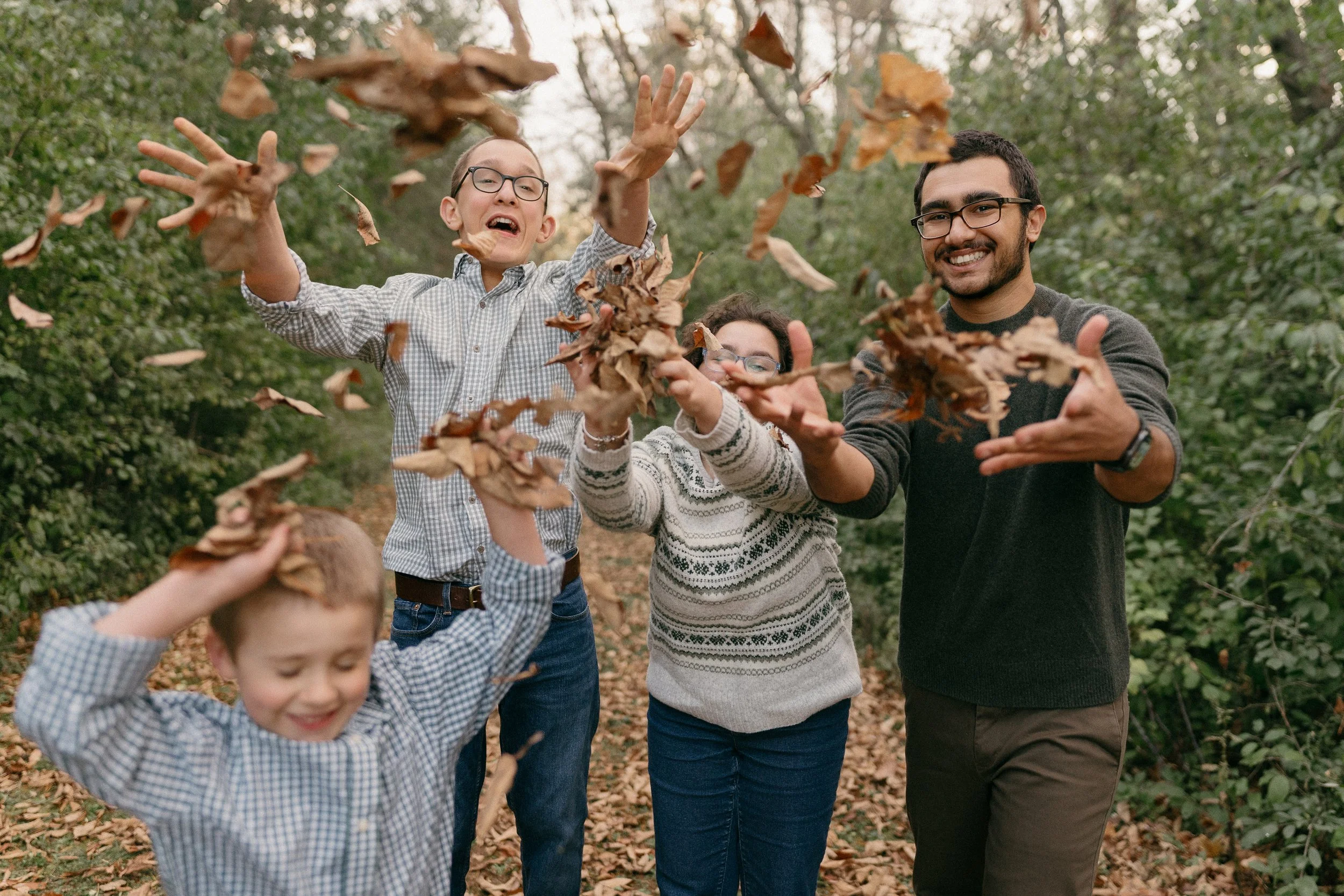
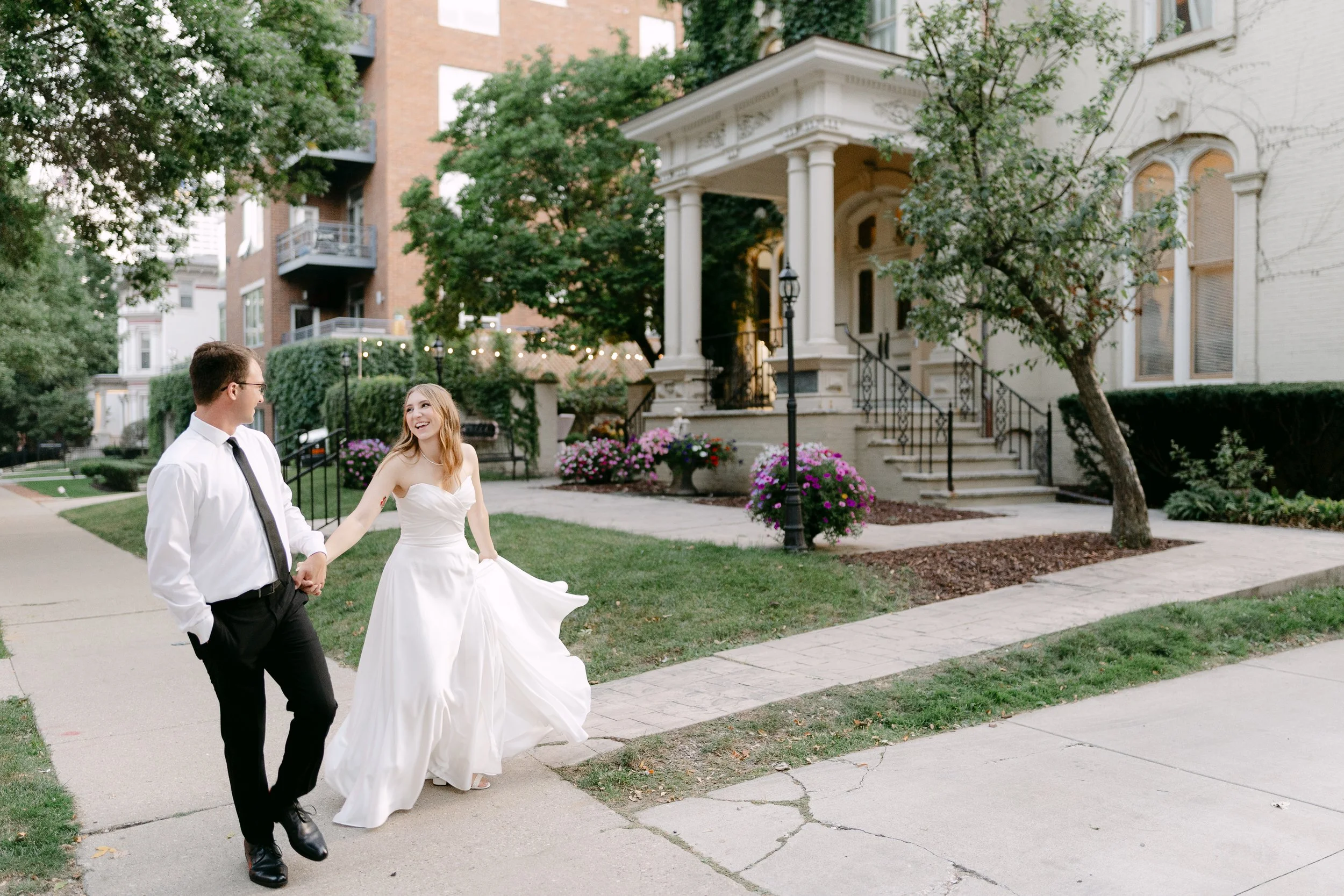
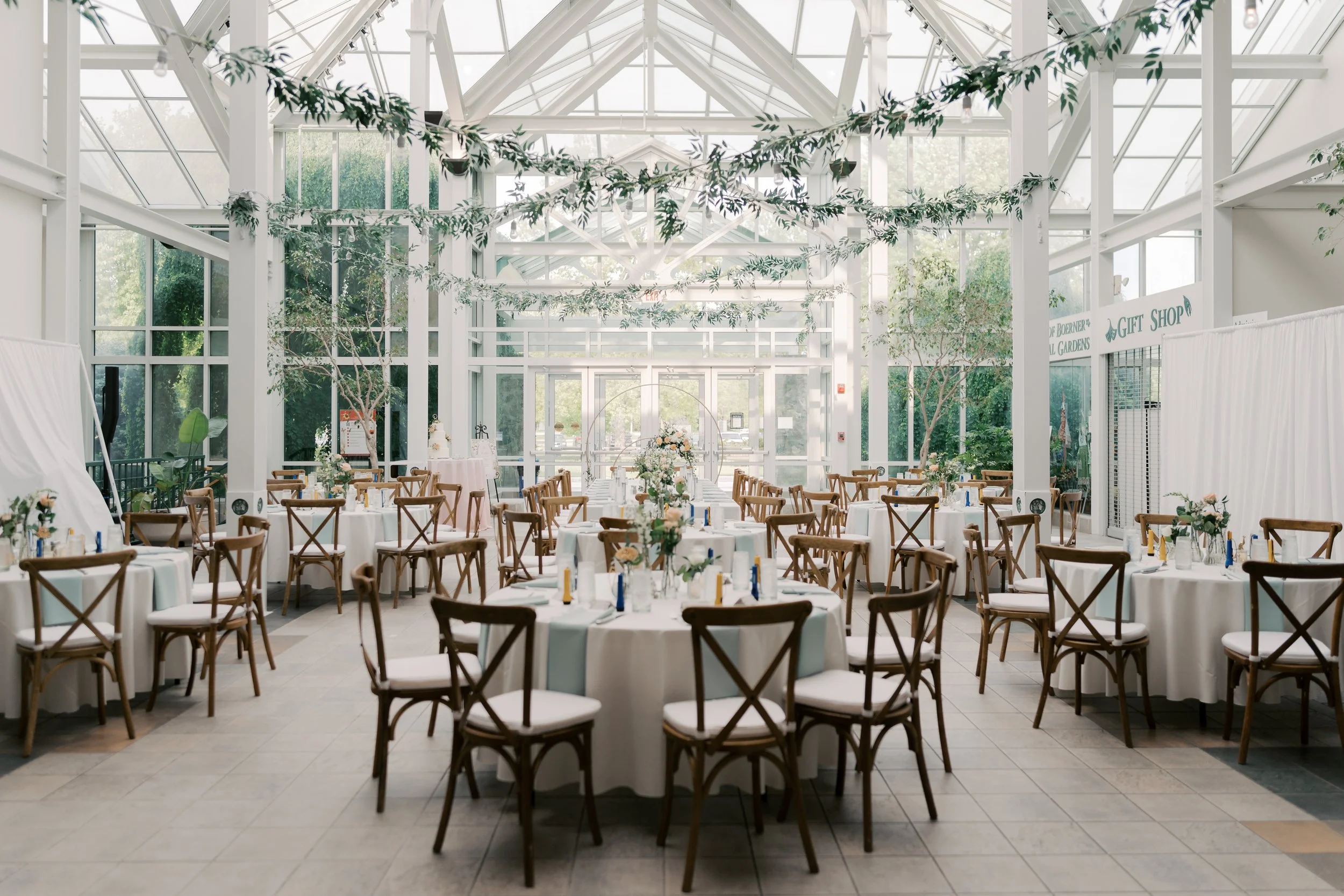
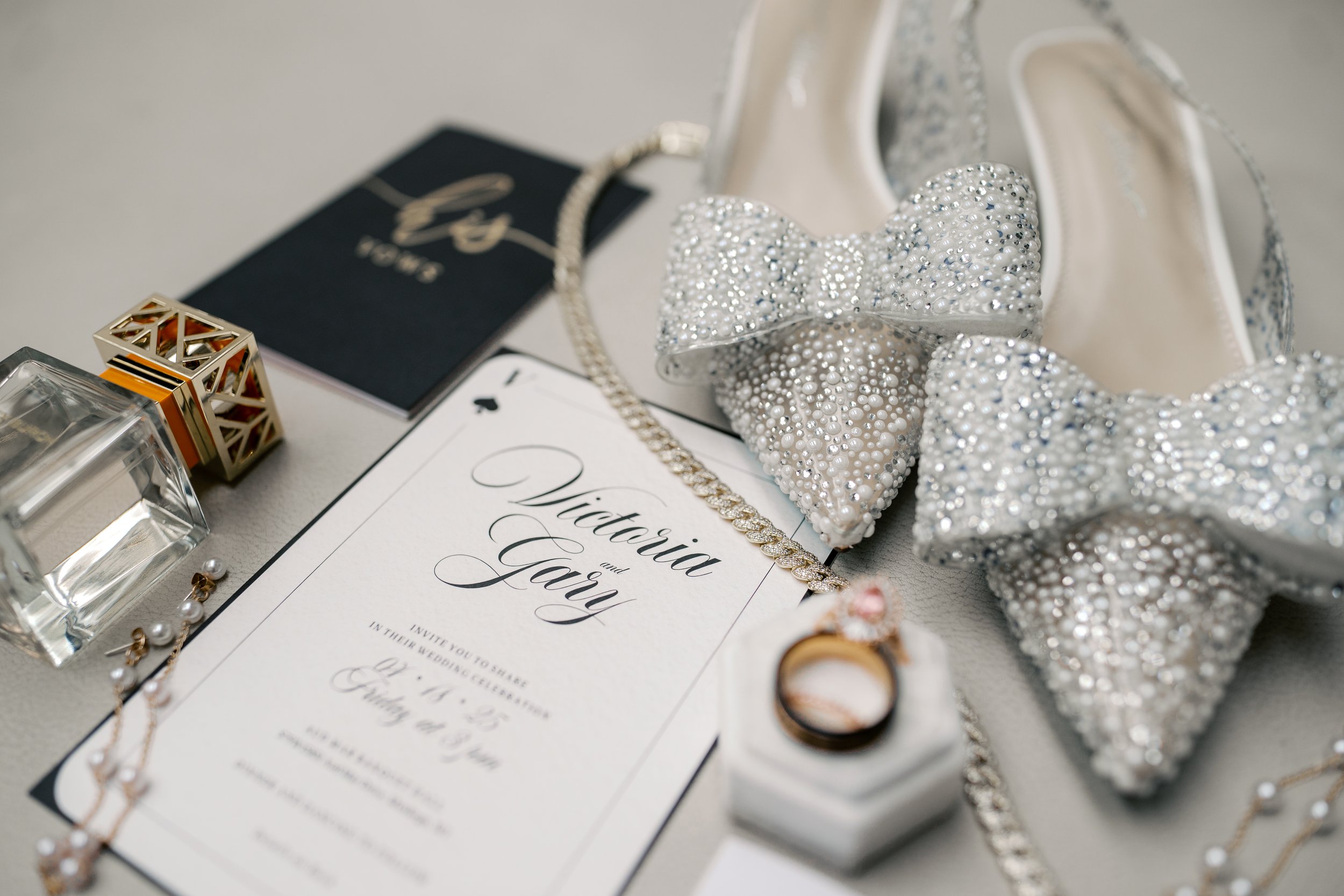

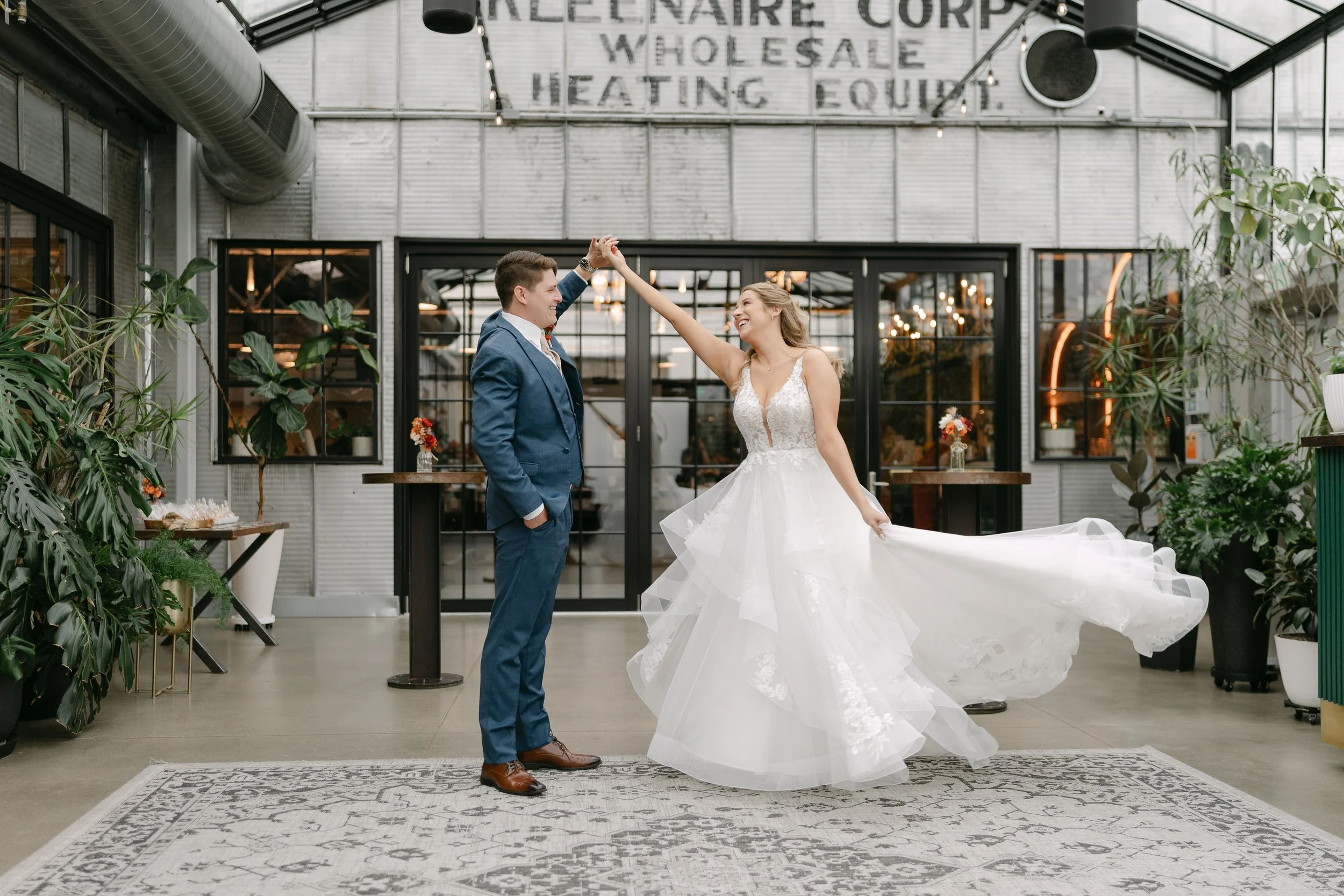
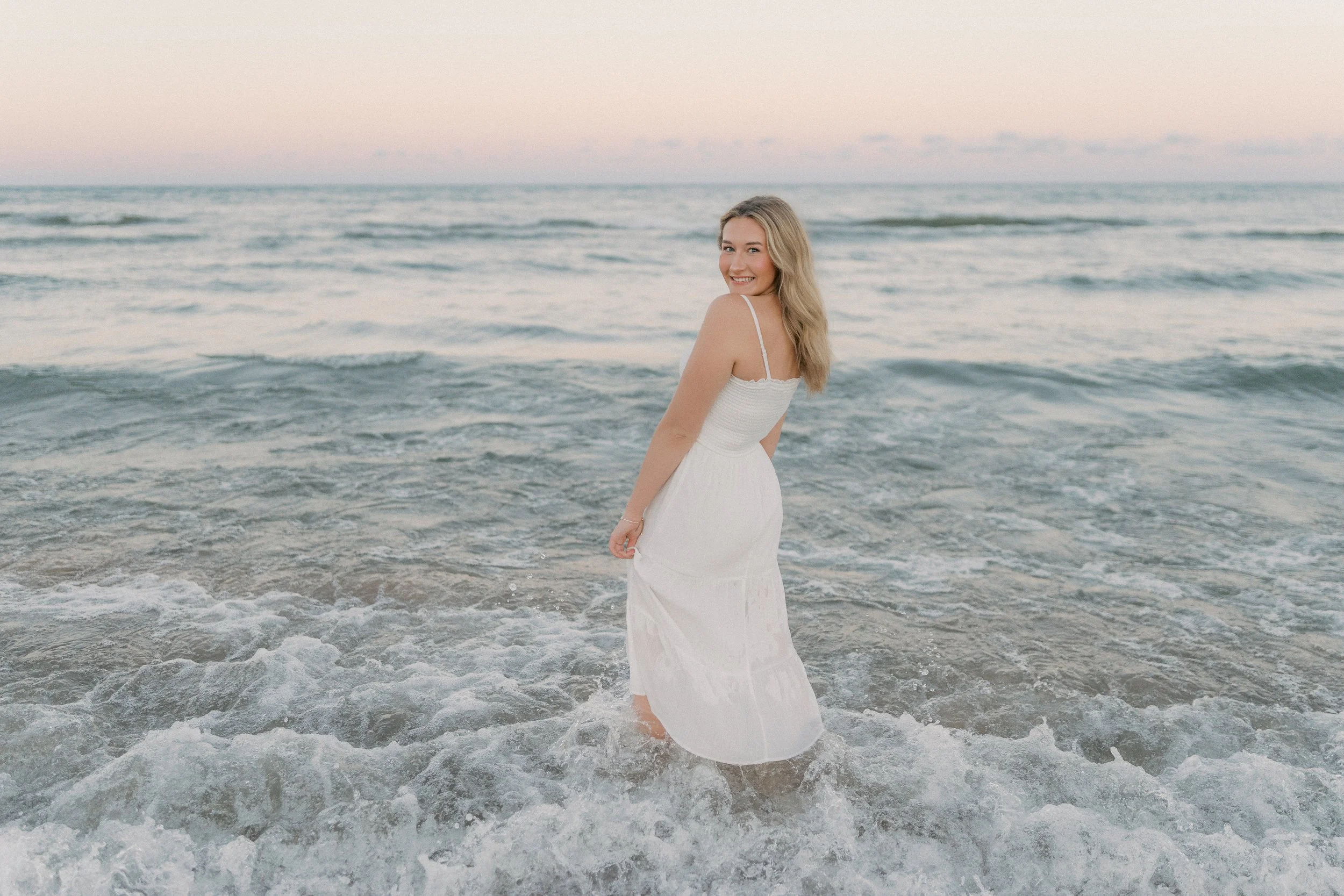
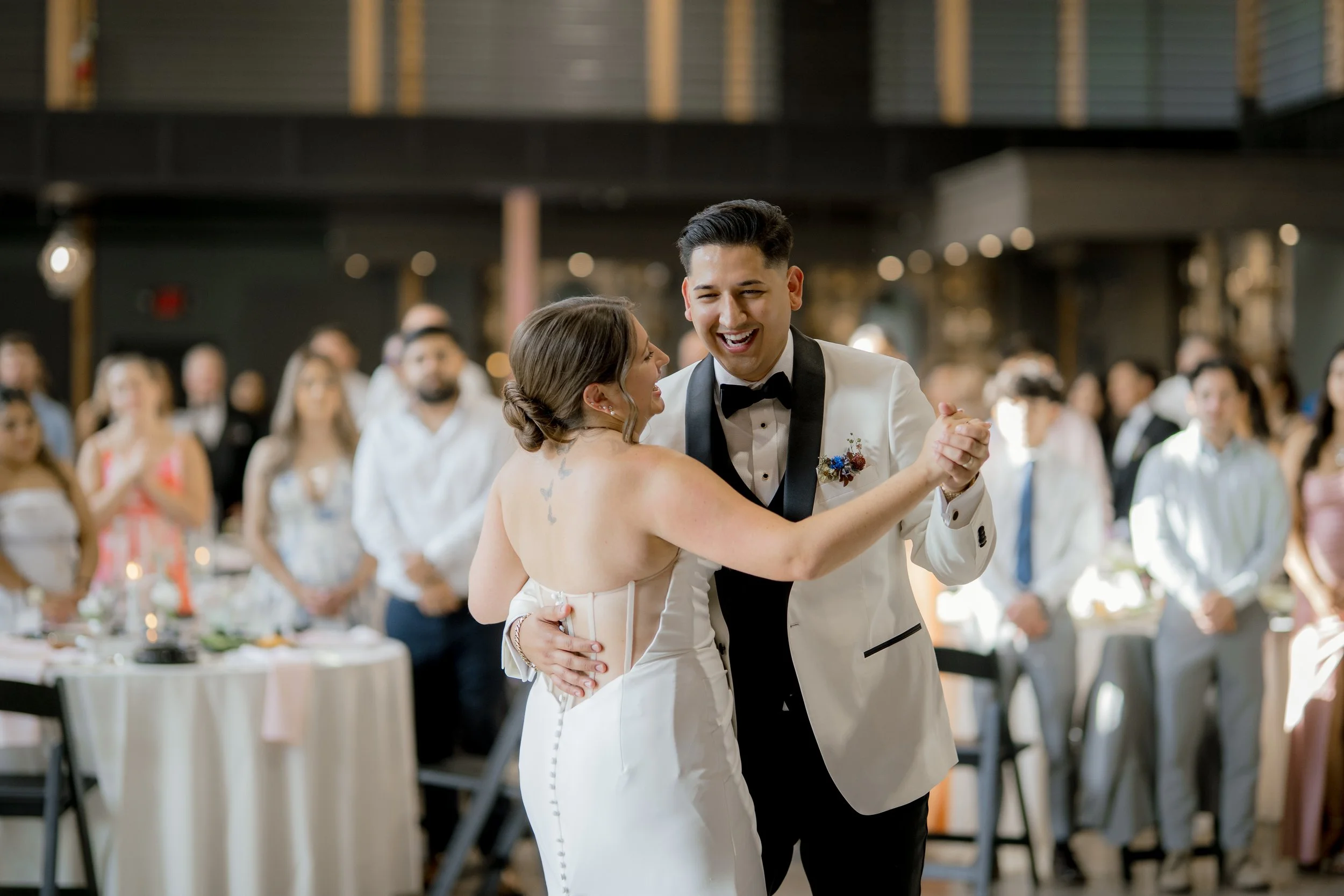
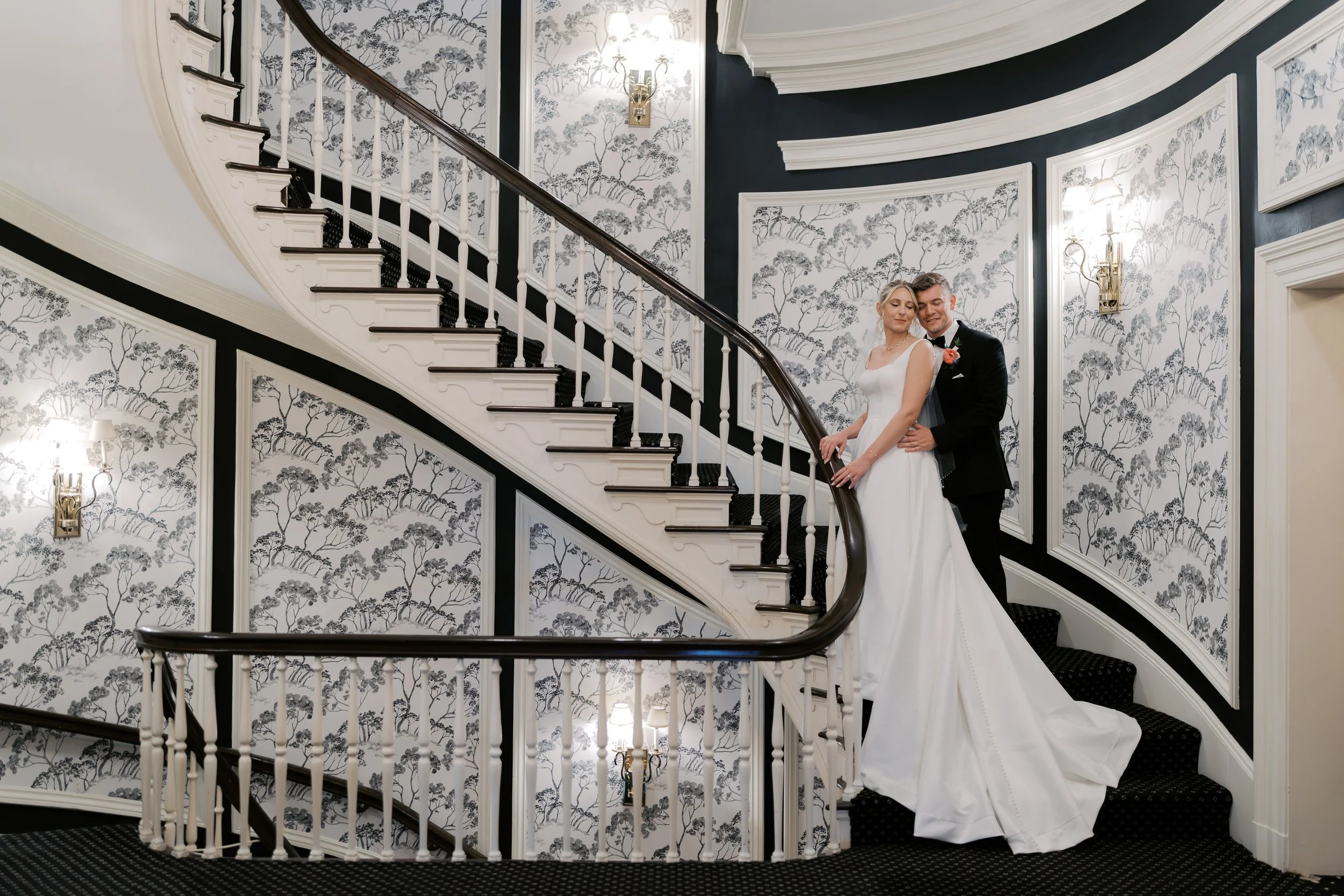
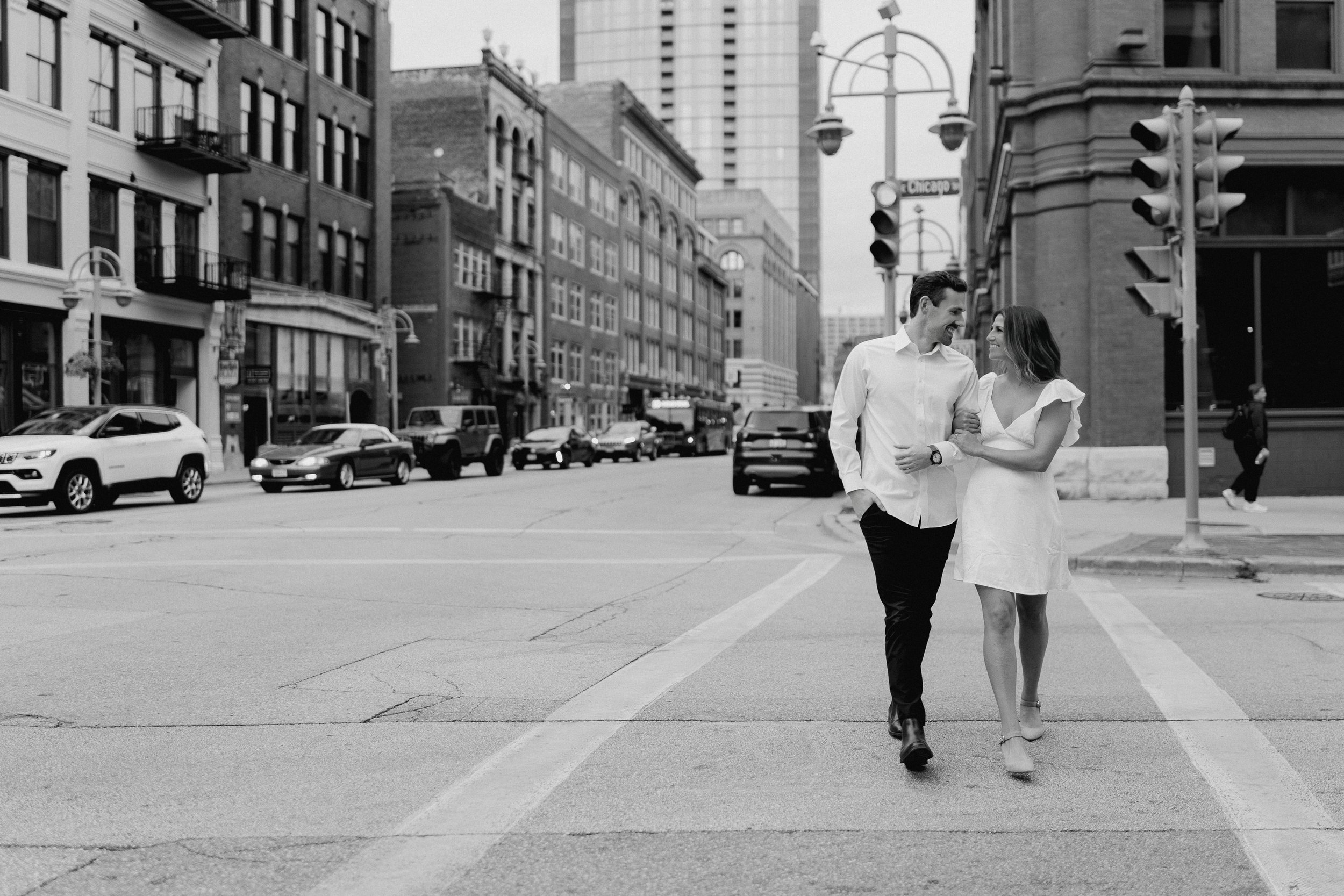
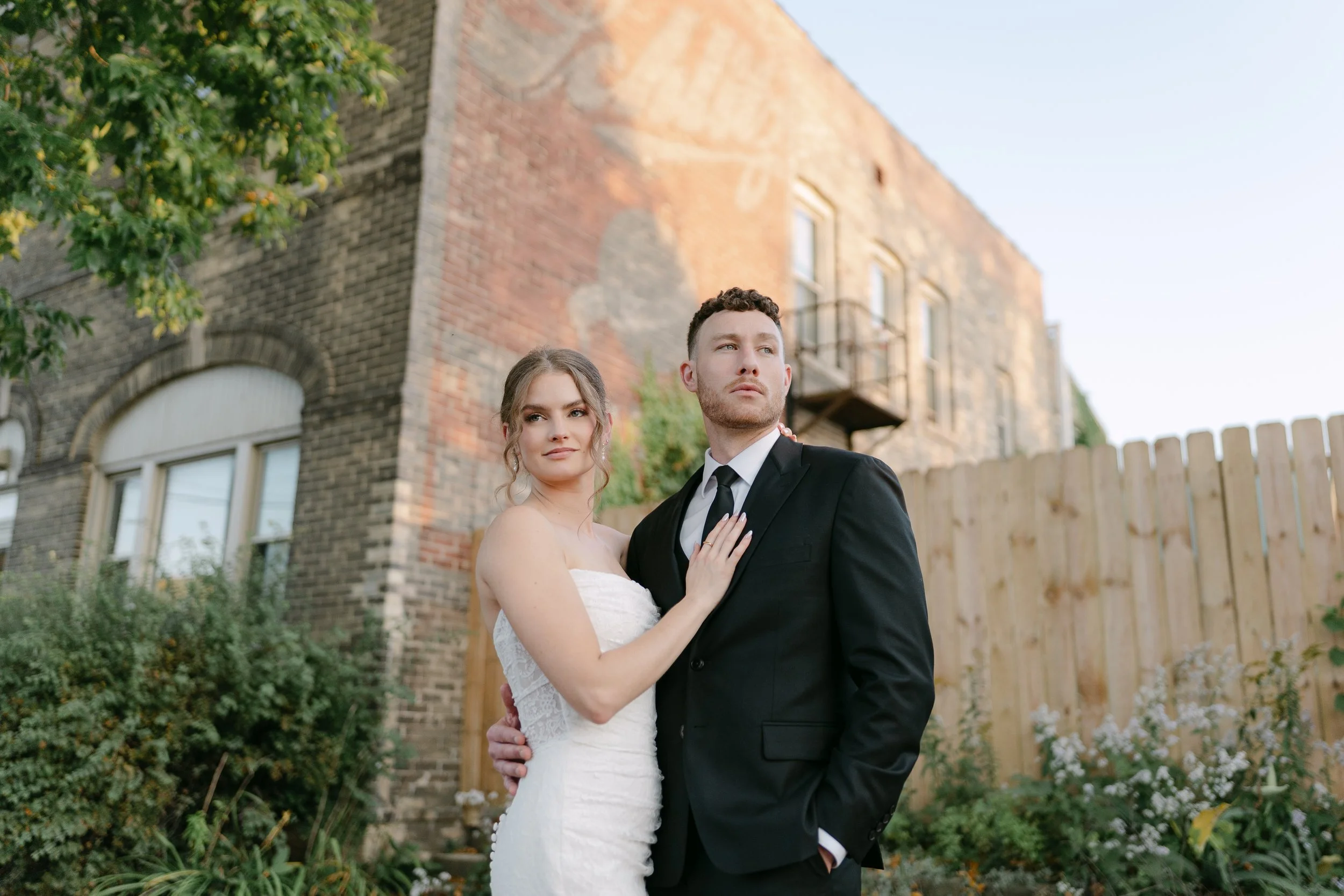
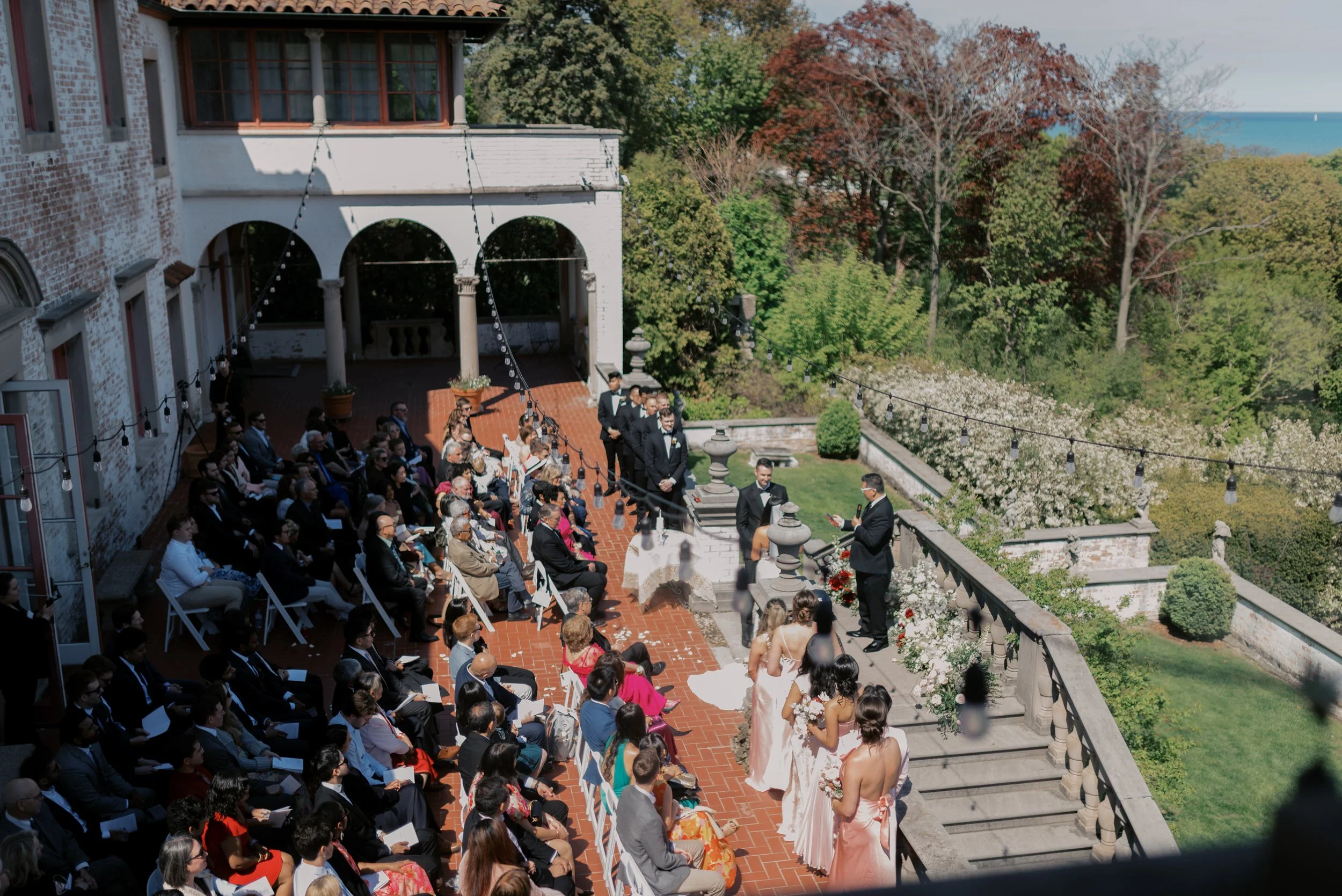
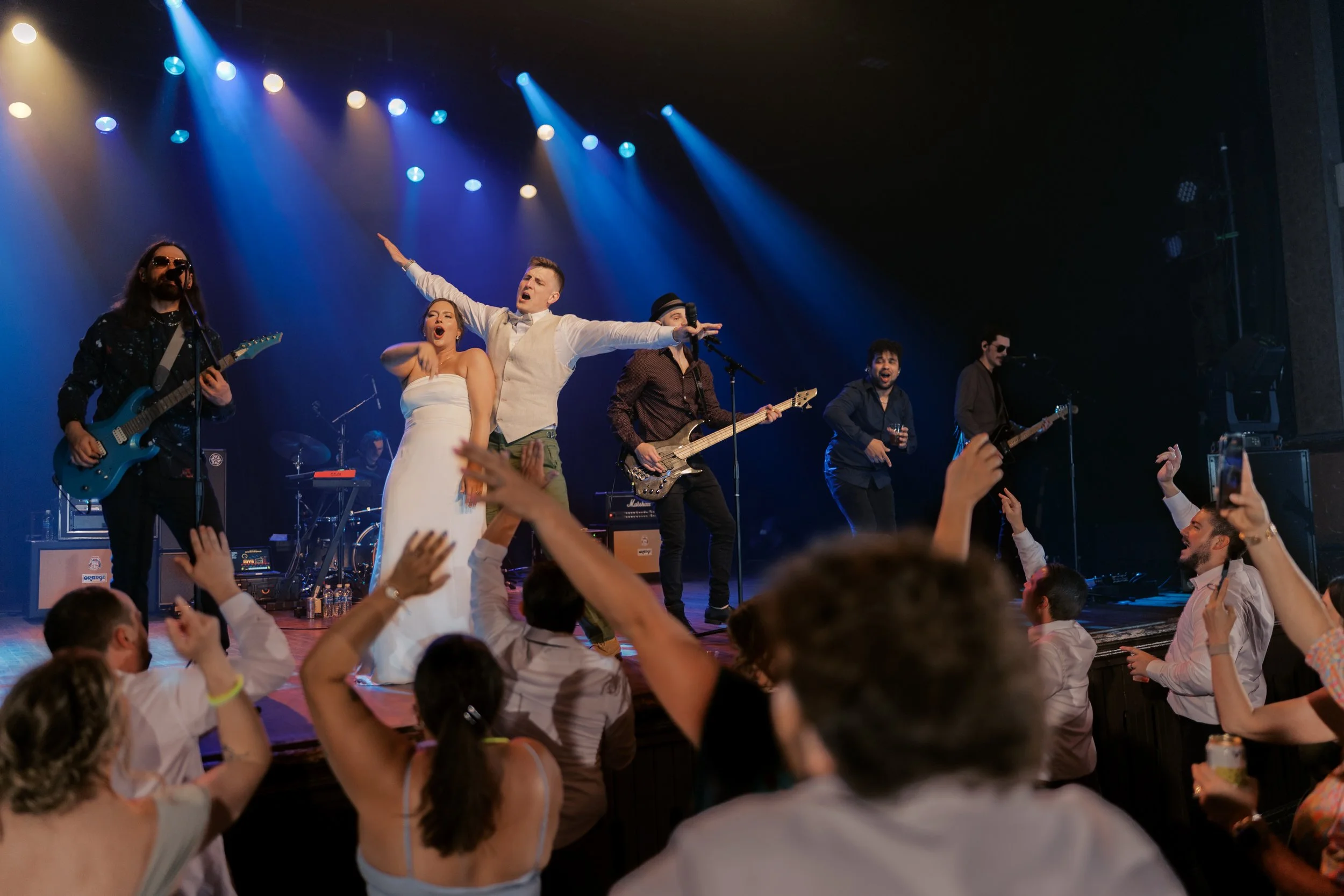
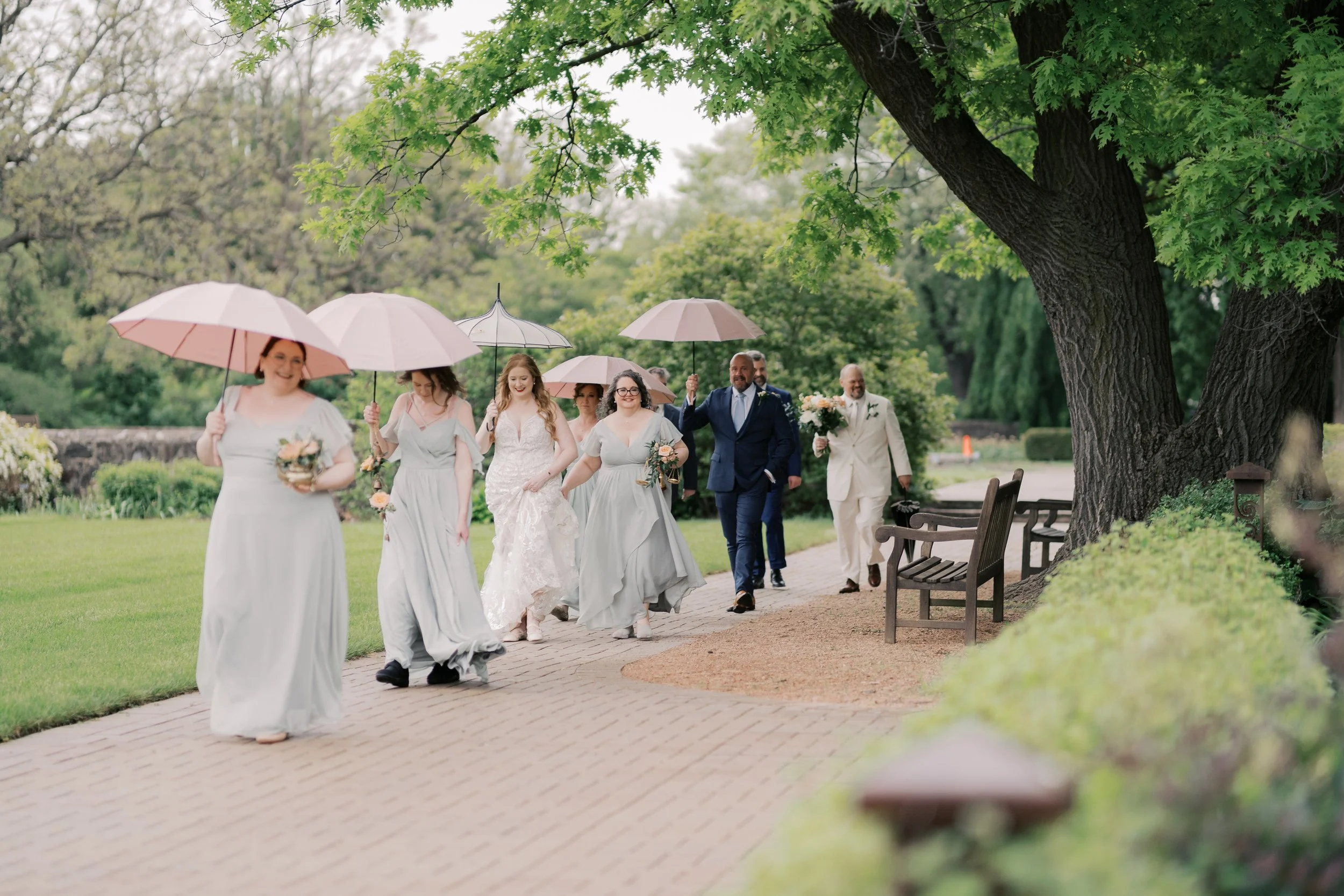

If you’ve ever scrolled through wedding photos and thought, “Why do some feel like a magazine spread, and others feel more classic?”, you’re noticing the difference between editorial and traditional wedding photography. Here’s how to understand both styles and decide what fits your vision.